3 Common Crusher Maintenance Mistakes That Lead to Premature Wear and Costly Repairs
Filed Under: Aggregate Equipment Maintenance , cone crusher maintenance , crusher maintenance , Crusher Rebuilds , crusher repair , crusher wear , preventative maintenance , rock crusher repair
In aggregate production, crusher performance depends on more than the condition of the equipment itself. Proper operating practices, routine inspections, and timely maintenance all play an important role in protecting critical components and preventing unexpected downtime.
One of the most common indicators of developing crusher problems is uneven or excessive wear within the crushing chamber. Although crusher liners are designed to withstand demanding operating conditions, improper feeding practices and delayed maintenance can accelerate wear and place unnecessary stress on other mechanical components.
Understanding what causes premature crusher wear can help quarry operators identify potential issues before they develop into more extensive equipment damage.
Below are three common crusher maintenance mistakes, the warning signs to watch for, and steps operators can take to protect their equipment.
- Operating a Cone Crusher Without Consistent Feed
Maintaining a consistent feed rate is essential for efficient cone crusher operation. When a crusher operates with insufficient or irregular material flow, crushing forces may become unevenly distributed throughout the chamber.
For cone crushers designed to operate under choke-fed conditions, maintaining the manufacturer-recommended chamber level helps promote consistent material compression and more uniform wear.
How Inconsistent Feeding Affects Crusher Components
Operating outside recommended feeding conditions can contribute to several problems:
- Uneven wear patterns on crushing chamber liners
- Fluctuating power draw and inconsistent operating loads
- Reduced crushing efficiency and production capacity
- Changes in product size distribution
- Additional stress on mechanical components
Over time, irregular operating conditions can contribute to increased maintenance requirements and reduced equipment reliability.
Maintenance Tips for Consistent Crusher Performance
Monitor material flow and maintain the appropriate feed level for the specific crusher model and application. Inspect feeders, conveyors, and related equipment for conditions that may interrupt material delivery.
Operators should also monitor power consumption, production rates, and unusual vibration or operating behavior.
If irregular performance continues despite proper feeding practices, a more thorough crusher inspection may be necessary to identify developing mechanical issues.
- Ignoring Uneven Feed Distribution and Crusher Wear Patterns
Even when a crusher receives an adequate volume of material, improper feed distribution can affect crushing performance.
When material consistently enters one side of a cone crusher chamber, wear may become concentrated in certain areas rather than developing uniformly across the crushing surfaces.
Uneven wear can alter chamber geometry and affect how material moves through the crusher.
Warning Signs of Uneven Crusher Wear
During routine equipment inspections, operators should look for:
- Noticeable differences in wear between opposing areas of the crushing chamber
- Changes in crusher throughput or product gradation
- Unusual vibration or inconsistent operating behavior
- Increased recirculating loads within the crushing circuit
- Abnormal wear or damage to surrounding components
Although these symptoms can indicate improper feed distribution, they may also be associated with other operating or mechanical conditions. A detailed inspection is important for determining the underlying cause.
How to Prevent Uneven Wear and Mechanical Damage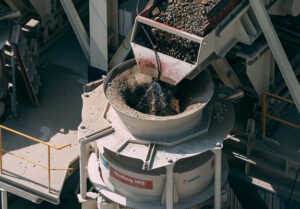
Inspect material transfer points, feed arrangements, and crushing chamber conditions regularly.
For cone crushers, follow manufacturer recommendations for distributing material evenly into the chamber and maintaining the correct operating parameters.
Documenting wear patterns during scheduled maintenance can also help identify recurring issues. Comparing inspection findings over time provides valuable information about equipment condition and potential maintenance needs.
When abnormal wear patterns persist, professional inspection and troubleshooting can help determine whether additional repairs or adjustments are necessary.
- Delaying Crusher Inspections and Necessary Repairs
One of the most costly crusher maintenance mistakes is continuing to operate equipment after warning signs of excessive wear or mechanical problems become apparent.
As crushing chamber components wear, their geometry changes. This can affect material reduction, operating efficiency, and the loads transmitted through the machine.
While normal wear is expected, allowing equipment to operate beyond manufacturer-recommended limits can increase the risk of damage to other critical crusher components.
Signs Your Crusher May Need Maintenance or Repair
Common indicators of developing equipment problems include:
- Declining production capacity without an obvious change in feed conditions
- Unusual vibration, noise, or operating temperatures
- Changes in power consumption or hydraulic system pressures
- Excessive or uneven wear within the crushing chamber
- Difficulty maintaining consistent product specifications
- Visible damage, cracking, or abnormal movement in mechanical components
These symptoms do not always indicate major equipment damage. However, they should be investigated before normal operation continues.
Why Preventive Crusher Maintenance Matters
Routine inspections help operators identify wear-related concerns and mechanical problems before they develop into more extensive failures.
An effective crusher maintenance program should include regular equipment inspections, lubrication system monitoring, operating data reviews, and evaluation of critical components according to manufacturer recommendations.
When damage is identified, determining the extent of the problem is essential for selecting an appropriate repair strategy.
Depending on the condition of the equipment, corrective work may involve component repair, precision machining, welding, or a more comprehensive crusher rebuild.
Addressing developing problems early can help reduce unplanned downtime and prevent damage from progressing to other components.
How Crusher Wear Can Lead to More Extensive Equipment Damage
Crusher wear is not limited to the components directly involved in material reduction.
Changes in operating conditions, excessive vibration, improper loading, and continued operation with damaged components can affect the overall mechanical condition of a crusher.
Depending on the machine design and the nature of the problem, additional damage may occur in areas such as:
- Mainframes and structural components
- Shafts and bearing assemblies
- Bushings and other internal components
- Mating surfaces and precision-machined bores
Not every wear issue results in damage to these components. However, identifying abnormal operating conditions and evaluating their causes can help prevent minor problems from becoming major repair projects.
For equipment with significant wear or structural damage, specialized crusher repair and machining services may be required to restore critical components to acceptable specifications.
Protect Your Investment with Professional Crusher Repair and Rebuilding
Consistent feeding practices, proper material distribution, and routine inspections are important for maintaining reliable crusher performance.
However, even well-maintained crushing equipment experiences wear over time. When critical components become damaged or exceed acceptable tolerances, professional repair and rebuilding services can help extend equipment service life.
At Marion Machine, we specialize in large-scale rock crusher repair, precision machining, and rebuilding services for the aggregate and mining industries.
Our capabilities include equipment inspections, welding, thermal stress relieving, precision machining, and comprehensive crusher rebuilds. With decades of experience repairing large crushing equipment, our team understands the importance of restoring critical components to the specifications required for reliable operation.
Whether your crusher is showing signs of abnormal wear or requires extensive mechanical repairs, Marion Machine has the experience and specialized capabilities to help get your equipment back into production.
When big crushers need big repairs, trust Marion Machine.
Contact Marion Machine to discuss your crusher repair or rebuilding needs.
Christopher Joyce Vulcan Materials of Winston-Salem, NC
Our Metso HP 800 Mainframe had a loose shaft and we re-fit the shaft back to OEM specs with a 2-week-turnaround to get a 3.5-million-ton-plant back up and running.