Crusher Component Rebuild vs. Replacement: How to Know When Rebuilding Makes More Sense
Filed Under: aggregate equipment service , cone crusher rebuild , crusher component repair , crusher maintenance , crusher rebuild , industrial machining , mainshaft rebuild
In today’s aggregates and mining operations, crusher downtime is expensive, and so are new components. With rising equipment costs, extended OEM lead times, and tighter production schedules, operators are increasingly asking an important question:
Should we rebuild this crusher component, or is it time to replace it?
The right answer depends on more than just visible wear. Understanding when a rebuild makes sense—and when it doesn’t—can significantly reduce costs while maintaining performance and reliability.
Common Crusher Components That Are Often Rebuilt
 Many critical crusher components are excellent candidates for professional rebuilding when handled correctly. At Marion Machine, these commonly include:
-
Cone crusher heads
-
Eccentrics
-
Gyratory crusher components
-
Spider caps and spider arms
-
Jaw crusher shafts and flywheels
When the base material remains structurally sound, rebuilding these components can restore them to OEM—or better—specifications.
When Rebuilding a Crusher Component Makes Sense
A rebuild is often the smarter option when the following conditions are met:
1. The Base Material Is Structurally Sound
If cracks, distortion, or fatigue have not compromised the core structure, rebuilding is typically viable. Proper inspection and non-destructive testing are key to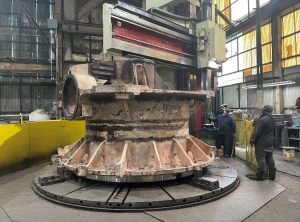 making this determination.
2. Wear Is Localized
Many components experience wear only in specific areas. These areas can often be rebuilt through controlled welding, machining, and precision finishing.
3. Cost Savings Are Significant
In many cases, rebuilding can cost 40–70% less than full replacement, especially for large or long-lead components.
4. Lead Time Matters
New components can take months to arrive. A rebuild often gets equipment back in service much faster, reducing costly downtime.
5. Opportunity for Design Improvements
Rebuilds allow for material upgrades or design improvements based on real-world performance—not just original drawings.
When Replacement Is the Better Option
 While rebuilding offers many advantages, replacement is sometimes the right call. Examples include:
-
Severe structural fatigue or extensive cracking
-
Damage beyond acceptable metallurgical limits
-
Components with repeated failure history that indicates a design limitation
-
Excessive distortion that cannot be corrected through machining
An honest evaluation upfront prevents costly failures later.
What a Quality Crusher Rebuild Process Should Include
Not all rebuilds are created equal. A high-quality rebuild should involve:
-
Thorough inspection and evaluation
-
Metallurgical analysis to confirm material integrity
-
Certified welding procedures appropriate for the component and alloy
-
Precision machining to restore critical tolerances
-
Non-destructive testing such as ultrasonic testing (UT) or magnetic particle inspection (MPI)
-
Final dimensional verification before return to service
This process ensures the rebuilt component performs reliably under real operating conditions.
The Hidden ROI of Crusher Component Rebuilds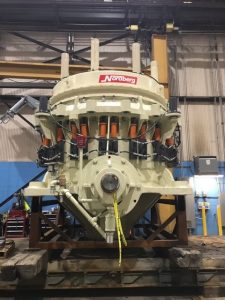
Beyond upfront cost savings, rebuilds offer additional long-term value:
-
Faster return to production
-
Reduced downtime and lost revenue
-
Extended service life of major components
-
Sustainability benefits through reduced scrap and material waste
For many operations, rebuilding is not just a repair—it’s a strategic maintenance decision.
Making the Right Decision Starts With the Right Evaluation
Determining whether to rebuild or replace a crusher component isn’t always obvious from the outside. A professional inspection provides clarity, helping operators make confident, informed decisions.
At Marion Machine, we evaluate each component on its own merits and provide straightforward recommendations based on performance, safety, and long-term value—not just cost. Contact us today!
Christopher Joyce Vulcan Materials of Winston-Salem, NC
Our Metso HP 800 Mainframe had a loose shaft and we re-fit the shaft back to OEM specs with a 2-week-turnaround to get a 3.5-million-ton-plant back up and running.